





Azure security best practices



Azure security best practices: Don't get caught with your cloud pants down
Executive summary
The cloud isn't some futuristic fantasy anymore, folks. It's the backbone of modern business, and Azure is charging hard, fueled by AI, to potentially dethrone AWS by 2026. But with this breakneck adoption comes a harsh reality: security can't be an afterthought. This article dives deep into why robust security practices are non-negotiable in Azure and how tools like Microsoft Sentinel and Defender XDR can be your digital bodyguards.
Introduction
Let's face it, organizations are flocking to the cloud like moths to a digital flame. Why? Cost savings, streamlined operations, and the ability to scale at warp speed. We're talking serious money here – a projected $805 billion spent on public cloud services in 2024! The cloud's not just disrupting the game; it is the game.
And the playing field is shifting. AWS might be the king of the hill right now, but Azure's hot on its heels, thanks to some serious AI muscle. (As of 2024, they hold market shares of 31%, 24%, and 11%, respectively.) Forbes even predicts an Azure takeover by 2026. Exciting times, right?
Hold your horses. This rapid cloud adoption has a dark side. Security threats are lurking around every corner, and sticking to best practices is more crucial than ever. Cloud service managers, listen up: you need to wrap your heads around the shared responsibility model (Figure 1).
Think of it like this: you and Azure are partners in crime prevention. You're both responsible for keeping your digital assets safe, but you need to know who's holding which piece of the security puzzle. Don't assume security is built-in – it's a team effort, and you need to pull your weight.
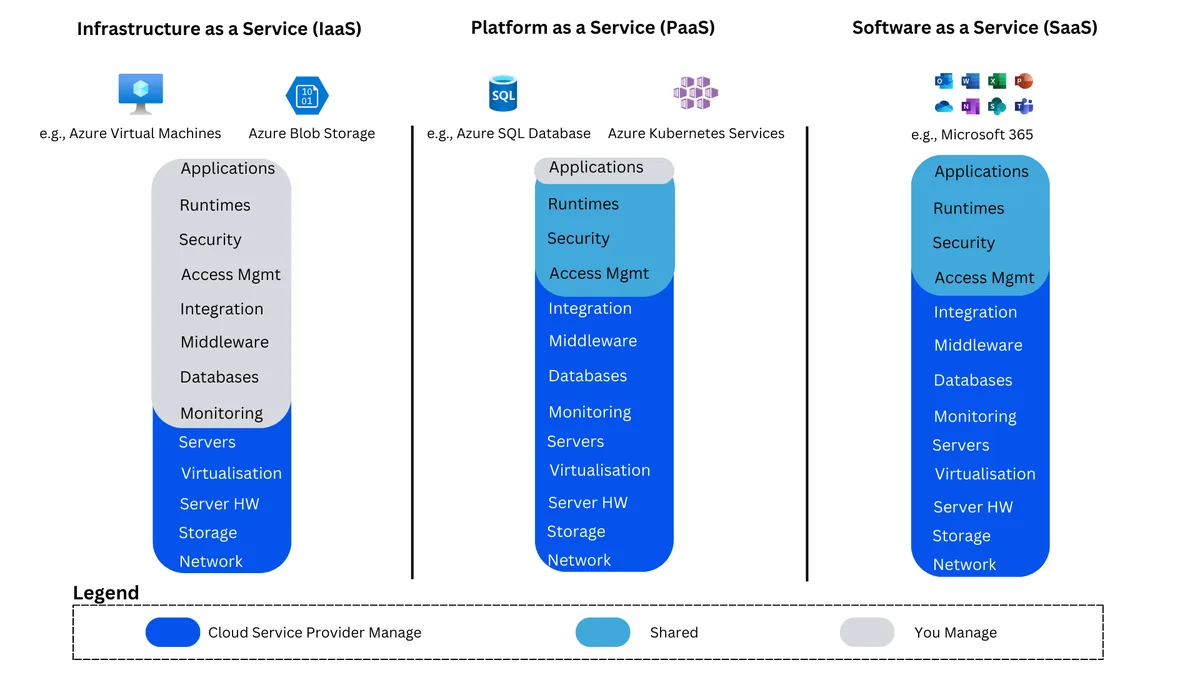
Figure 1: The shared responsibility model
Azure's security architecture: A fortress in the cloud
Okay, I get it. The shared responsibility model can feel like navigating a maze blindfolded. But here's the deal: whether you're dabbling in IaaS, PaaS, or SaaS, Azure's got your infrastructure covered. Their global network of data centers is built like Fort Knox, meeting industry standards like ISO/IEC 27001:2022, HIPAA, and NIST SP 800-53.
But remember your part of the bargain! Azure provides a killer arsenal of security products to protect your workloads, both in Azure and beyond.
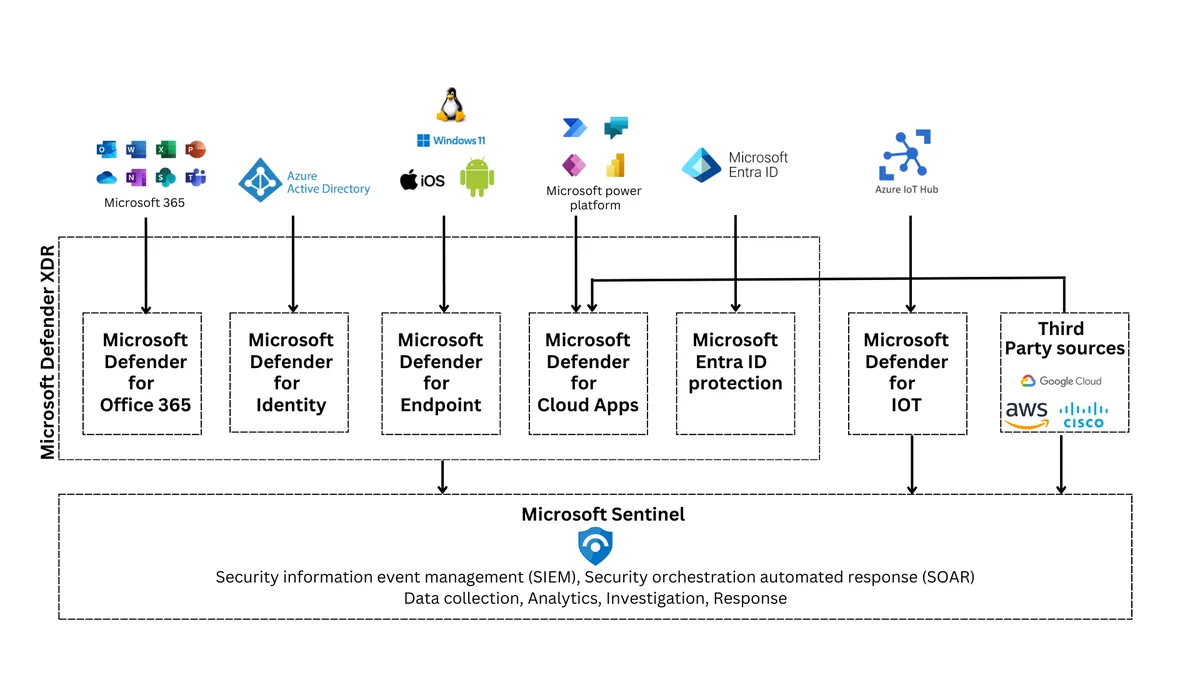
Figure 2: Azure’s security architecture
Take Microsoft Sentinel, for example. This superhero of a tool automatically sniffs out threats, investigates them, and neutralizes them before they can wreak havoc. It's like having a 24/7 security team with superhuman senses.
And don't forget about Microsoft Defender XDR. This comprehensive security suite is like a digital Swiss Army knife, protecting your identities, endpoints, applications, email, and cloud apps. It's got your back, no matter where you turn.
With Sentinel and Defender XDR in your corner, you're well-equipped to tackle the security challenges that come with cloud adoption. But don't get complacent! Let's dive into some core security best practices that will make your Azure environment an impenetrable fortress.
Core security best practices: Lock down your secrets
Protecting secrets: Best practices using Azure Key Vault
We all have secrets, right? In the digital world, those secrets are things like passwords, API keys, and encryption keys. You can't just leave them lying around for any cybercriminal to snatch.
That's where Azure Key Vault comes in. This secure vault is like a digital safe deposit box for your sensitive data. It uses hardware security modules (HSMs) to keep your secrets locked down tight, even if someone manages to breach your defenses. Big names like Victoria's Secret & Co, Evup, and Sage trust Key Vault to keep their secrets safe.
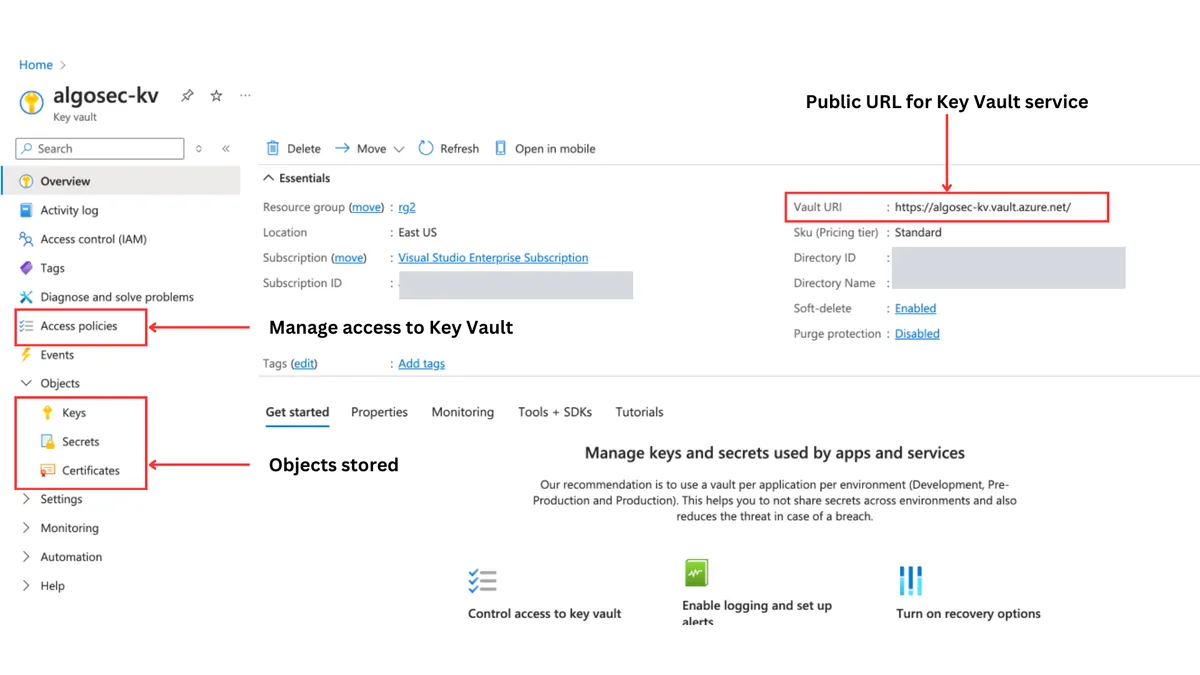
Figure 3: A new Key Vault named “algosec-kv”
Here's a pro tip: once you've stashed your secrets in Key Vault, use a managed identity to access them. This eliminates the need to hardcode credentials in your code, minimizing the risk of exposure.
var client = new SecretClient(new Uri("https://<your-unique-key-vault-name>.vault.azure.net/"), new DefaultAzureCredential(),options);
KeyVaultSecret secret = client.GetSecret("<mySecret>");
string secretValue = secret.Value;
Key Vault is a fantastic tool, but it's not a silver bullet. Download our checklist of additional best practices to keep your secrets safe:
Database and data security: More than just locking the door
Azure offers a smorgasbord of data storage solutions, from Azure SQL Database to Azure Blob Storage. But securing your data isn't just about protecting it at rest. You need to think about data in use and data in transit, too.
Download our checklist for a full action plan:
Identity management: Who are you, and what are you doing here?
Encryption is great, but it's only half the battle. You need to know who's accessing your resources and what they're doing. That's where identity access management (IAM) comes in.
Think of IAM as a digital bouncer, controlling access to your network resources. It's all about verifying identities and granting the right level of access – no more, no less.
Zero-trust network access (ZTNA) is your secret weapon here. It's like having a security checkpoint at every corner of your network, ensuring that only authorized users can access your resources.
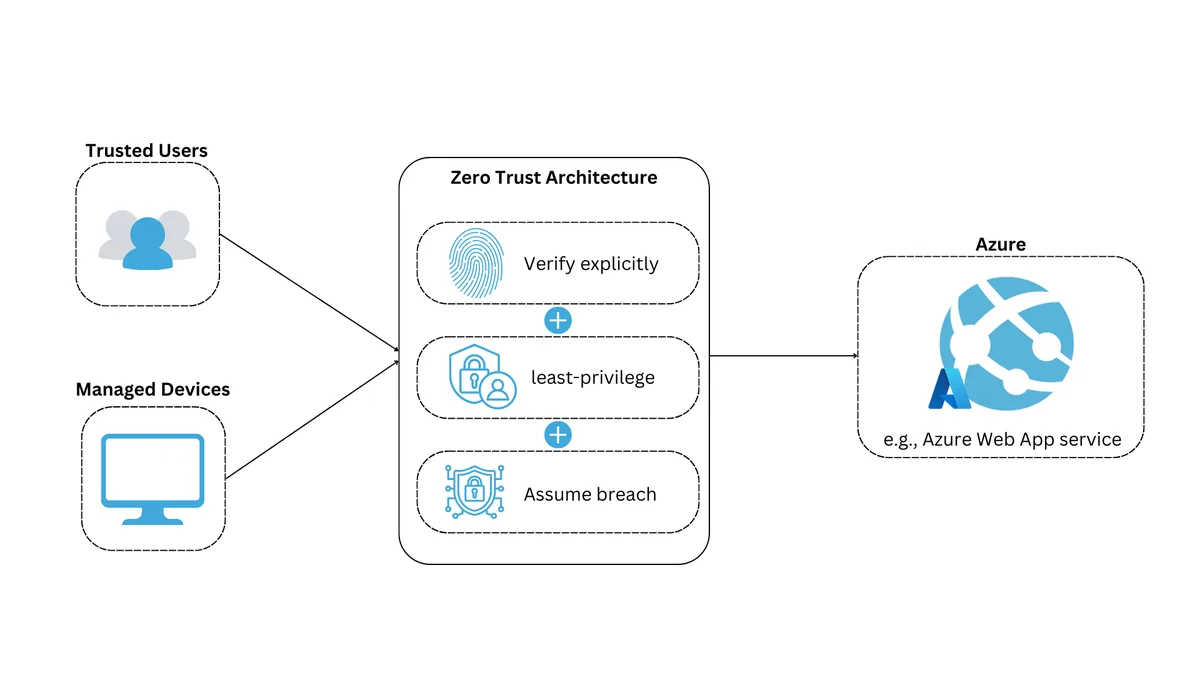
Figure 4: Zero-trust security architecture
Remember the Capital One breach? A misconfigured firewall and overly broad permissions led to a massive data leak. Don't let that be you! Follow Azure's IAM documentation to build a robust and secure identity management system.
Network security: Building a digital moat
Your network architecture is the foundation of your security posture. Choose wisely, my friends! The hub-spoke model is a popular choice in Azure, centralizing common services in a secure hub and isolating workloads in separate spokes.
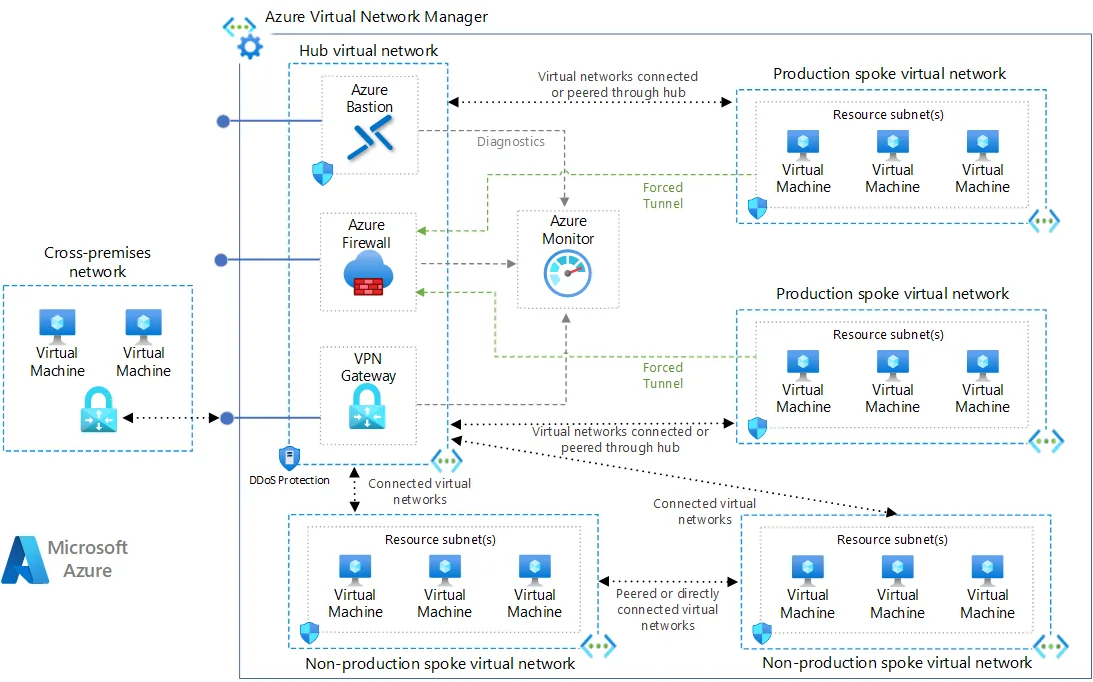
Figure 5: Hub-spoke network architecture in Azure (Source: Azure documentation)
For a checklist of how the hub-spoke model can boosts your security, download our checklist here.
Digital Realty, a real estate investment giant, uses the hub-spoke model to secure its global portal and REST APIs. It's a testament to the power of this architecture for both security and performance.
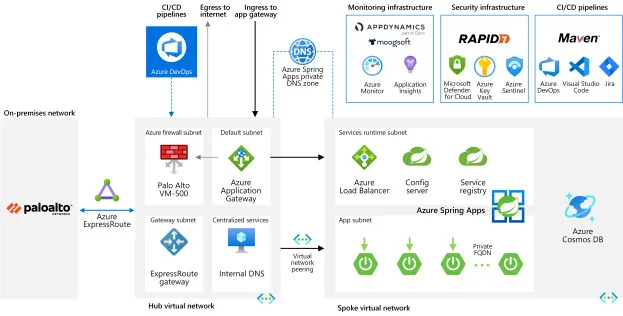
Figure 6: Digital Realty’s use of hub-spoke architecture (Adapted from Microsoft Customer Stories)
Operational security: Stay vigilant, stay secure (continued)
When a security incident strikes, your response time is critical. Think of operational security as your digital first aid kit. It's about minimizing human error and automating processes to speed up threat detection and response.
We've already talked about MFA, password management, and the dynamic duo of Defender XDR and Sentinel. Download our checklist for a few more operational security essentials to add to your arsenal.
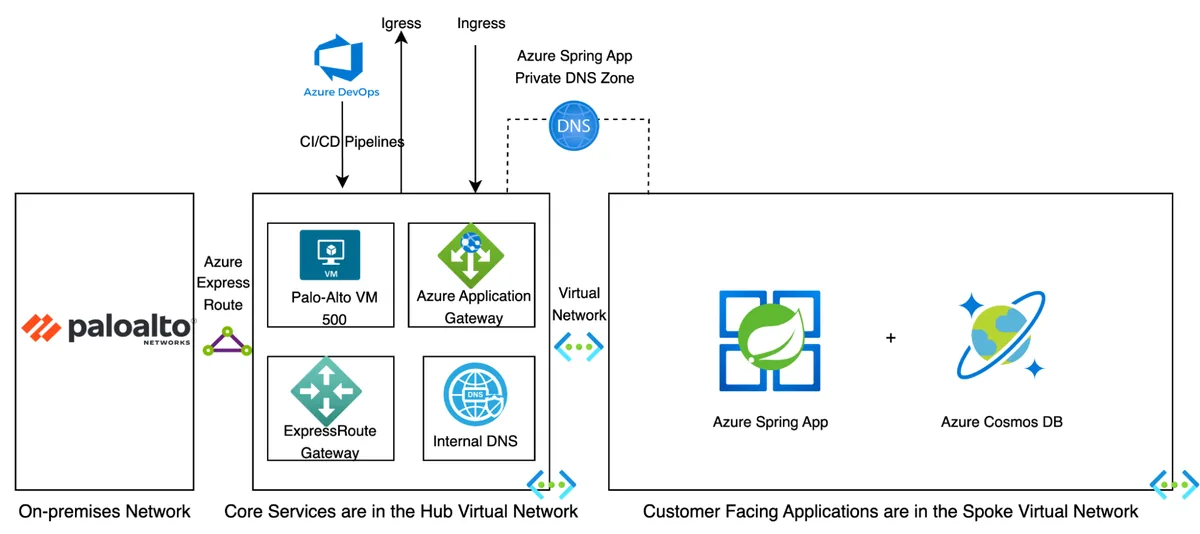
Figure 7: Build-deploy workflow automation (Source: Azure documentation)
Think of these best practices as guardrails, guiding you toward secure decisions. But remember, flexibility is key. Adapt these practices to your specific environment and architecture.
Conclusion
As Azure's popularity skyrockets, so do the stakes. The shared responsibility model means you're not off the hook when it comes to security. Azure provides powerful tools like Sentinel and Defender XDR, but it's up to you to use them wisely and follow best practices.
Protect your secrets like they're buried treasure, secure your data with Fort Knox-level encryption, implement identity management that would make a border patrol agent proud, and build a network architecture that's a digital fortress. And don't forget about operational security – it's the glue that holds it all together.
But let's be real, managing security policies across multiple clouds can be a nightmare. That's where tools like AlgoSec CloudFlow come in. They provide a clear view of your security landscape, helping you identify vulnerabilities and streamline policy management. It's like having a security command center for your entire cloud infrastructure.
So, what are you waiting for? Request a demo today and let AlgoSec help you build an Azure environment that's so secure, even the most determined cybercriminals will be left scratching their heads.
Asher Benbenisty
Asher Benbenisty is the director of product marketing for Algosec. Asher is an experienced product marketing professional with a diverse background in all aspects of the corporate marketing mix, product/project management as well as technical expertise. Asher is passionate about bringing innovative products that solve real business problems to the market. When not thinking of innovative products, Asher enjoys outdoor running especially by the ocean.